Tourism in the Age of Social Media:
Between Clicks and Real Experiences
Never has it been so easy to influence the way people travel. Over the last few years, social media has profoundly transformed tourism, and digital influencers have become increasingly important in shaping travelers’ choices of destinations, activities, and experiences.
The Rise of Influencers
and Their Impact on Tourism
Millions of people now plan their trips through short videos, carefully edited photographs, and recommendations made by content creators with thousands, or even millions, of followers. A single viral video can turn an unknown location into an international attraction almost overnight.
There is no doubt that this phenomenon has brought positive changes. Many regions that were previously overlooked have gained visibility, small businesses have attracted new customers, and access to travel information has become more democratic than ever before.
However, as with any major transformation, challenges have emerged that deserve reflection.
When the Goal Is No Longer
to Inform
It is important to remember that an influencer’s primary job is not necessarily to inform. In most cases, their main objective is to attract attention, generate engagement, and accumulate clicks.
As a result, complex historical, social, and cultural topics often lose ground to content that is faster, simpler, and more emotionally impactful. Stereotypical images are frequently repeated because they perform better within social media algorithms.
Myths about destinations are shared without verification. Generalizations become accepted truths. Entire cultures are reduced to a handful of easily digestible clichés.
What generates the most views is not always what best represents reality.
The consequence is a superficial understanding of places and people. Instead of truly discovering a destination, many travelers arrive believing they already know it, when they have only consumed a simplified version of it.
The Trap of "Instagrammable" Places
Another increasingly common phenomenon is the obsession with so-called “Instagrammable” locations.
There is nothing wrong with taking photographs while traveling. Photography is a wonderful way to preserve memories and share experiences. The problem begins when photography stops being a consequence of the experience and becomes its primary purpose.
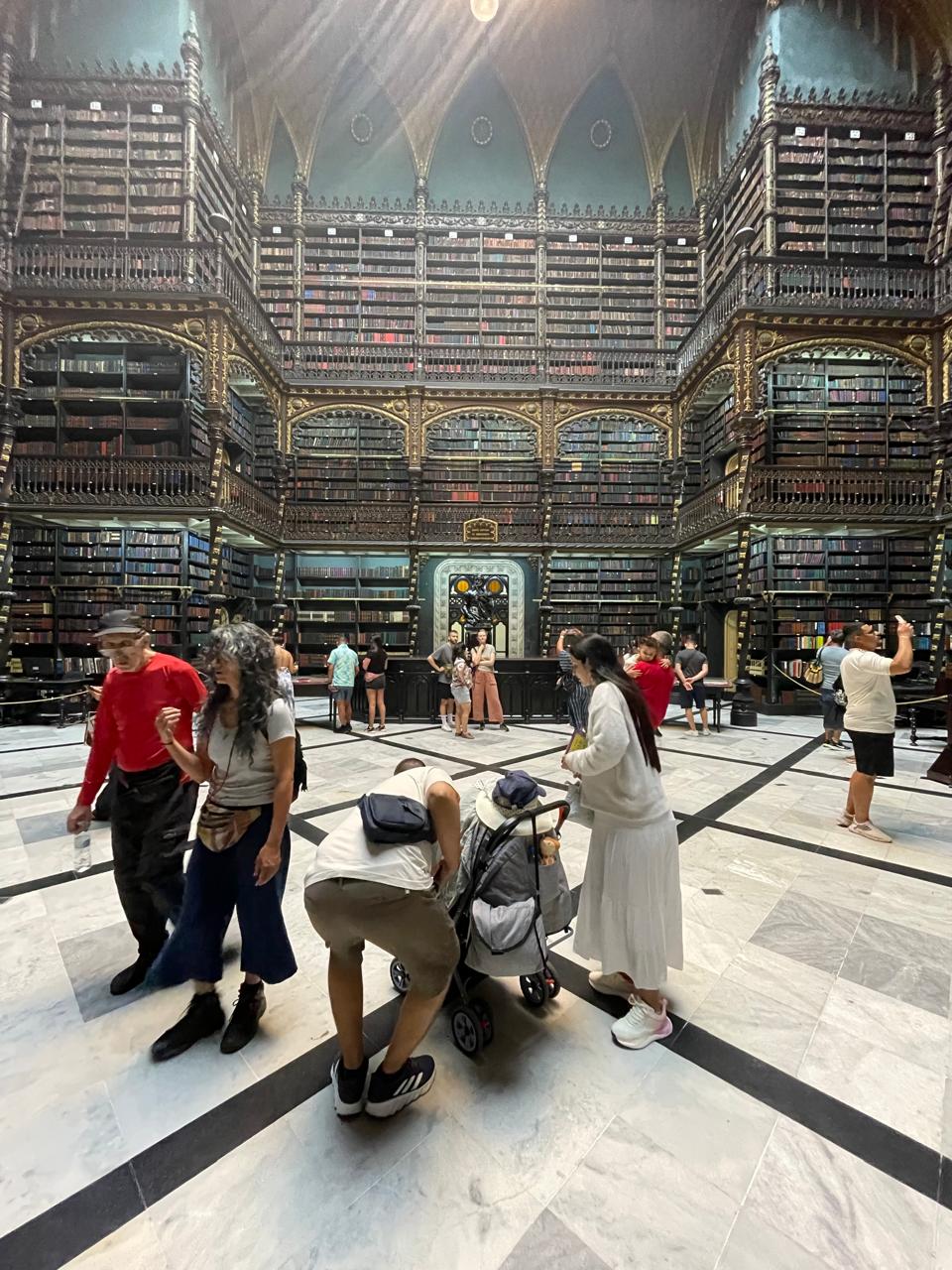
Many destinations are now consumed as items on a checklist. Visitors arrive, take the photo they saw online, post it on social media, and then move on to the next location.
In the process, authentic cultural experiences are often replaced by a constant search for digital validation.
Paradoxically, we live in a time when people appear to be experiencing more than ever before, while often being less present in those experiences. They seem to know more places yet frequently understand less about them. They appear to have lived more, while in many ways living less.
Everything revolves around the image being projected.
The result is a form of individualism that creates an unexpected sense of emptiness. Experiences cease to be transformative and become content. Human encounters are replaced by documentation. Genuine participation gives way to performance.
The Role of Guides and Travel Agencies: Facilitators of Cultural Exchange
It is precisely in this context that tourism professionals become more important than ever.
At Good Guide in Rio, we like to define our mission as being facilitators of cultural exchange.
This concept emerged from years of practical experience. Over time, we realized that our true work extends far beyond showing monuments, organizing itineraries, or recommending restaurants.
Our primary mission is to build bridges between people.
We help overcome language barriers. We help visitors navigate cultural differences. We create an environment where travelers feel comfortable enough to interact, ask questions, experiment, and truly understand the place they are visiting.
We want our guests to move beyond the role of spectators and become participants in their journey.
We want them to speak with locals. To understand everyday habits. To discover stories that will never fit into a fifteen-second video. To immerse themselves, even briefly, in the cultural richness of the places they visit.
Because travel should not simply be about seeing, travel should be about understanding.
Ambassadors of Culture
and History
Every guide carries a responsibility that goes far beyond tourism.
In many ways, we are ambassadors of the culture, history, and identity of the places we call home.
We are not interested in repeating stereotypes simply because they are popular. We do not want to oversimplify complex subjects just because they are easier to consume.
Our commitment is to study, research, understand, and share knowledge.
We strive to introduce visitors not only to famous landmarks, but also to the stories behind them. Not only monuments, but also to the people who built them. Not only to landscapes, but also to the cultures that give them meaning.
Our goal has never been to become internet celebrities, our goal has always been to help people see beyond the surface.
Tourism as a Tool for Human and Economic Development
Despite often being overlooked, tourism
is a powerful economic force.
It generates both direct and indirect employment. It supports hotels, restaurants, drivers, artisans, photographers, local guides, small business owners, and countless other professionals.
Behind every visitor stands an entire network of families who depend on tourism to pay their bills, put food on the table, and build a dignified life.
When practiced responsibly and fairly, tourism benefits everyone involved.
Visitors gain knowledge, experiences, and memories that last a lifetime.
Local communities receive income, cultural appreciation, and opportunities for development.
At Good Guide in Rio, we have dedicated our lives to making this encounter possible. We are proud to contribute both to the livelihoods of the many families who work alongside us and to the unforgettable experiences of those who choose to visit our country.
Beyond the Screen
Social media is here to stay, and when used responsibly, it can be an extraordinary tool.
But there is one thing that no screen will ever replace.
A lived experience.
A spontaneous conversation.
A shared smile.
A family meal.
A story told by someone who genuinely belongs to that place.
No video, regardless of how well produced it may be, can fully reproduce the richness of an authentic local experience.
Likewise, an influencer focused on maximizing clicks, repeating popular narratives, and keeping your attention for a few extra seconds will never offer the same care, dedication, and depth as someone who wakes up every day, breathes tourism, and has dedicated their life to connecting people and cultures.
We believe in real experiences.
We believe in human connection.
We believe that travel is much more than checking places off a list.
.
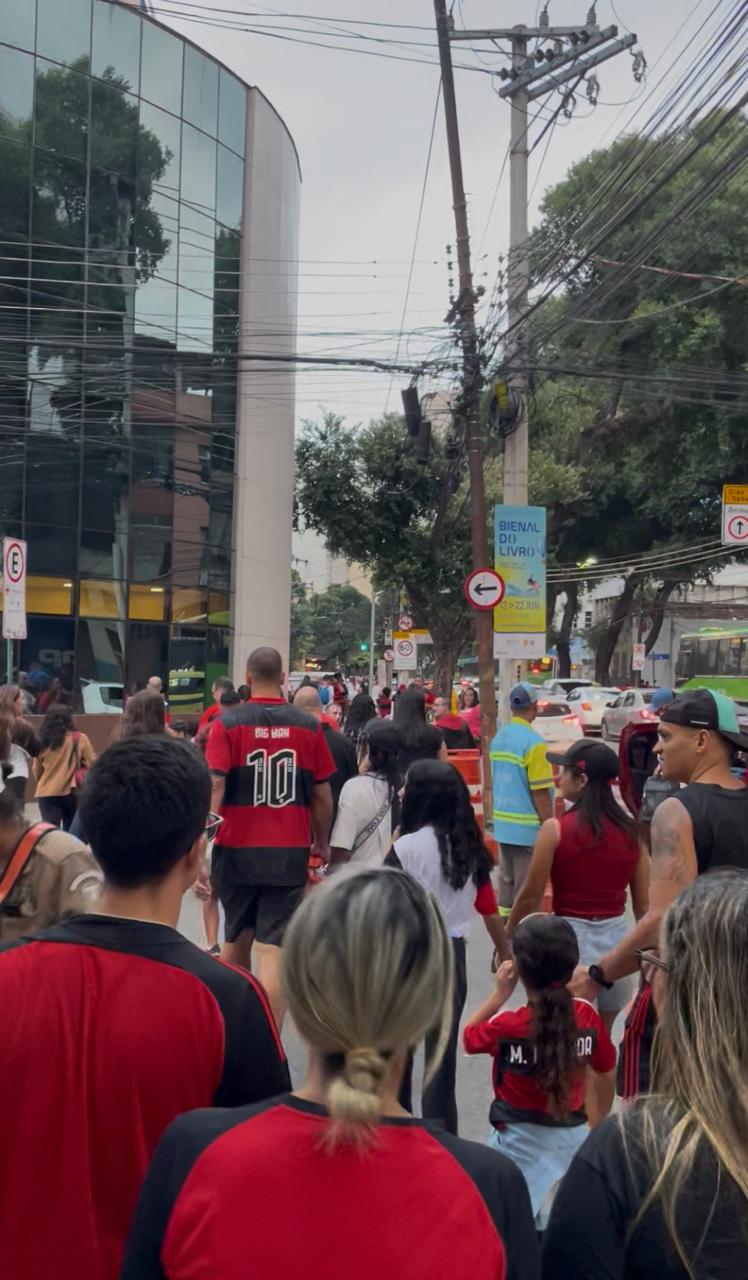
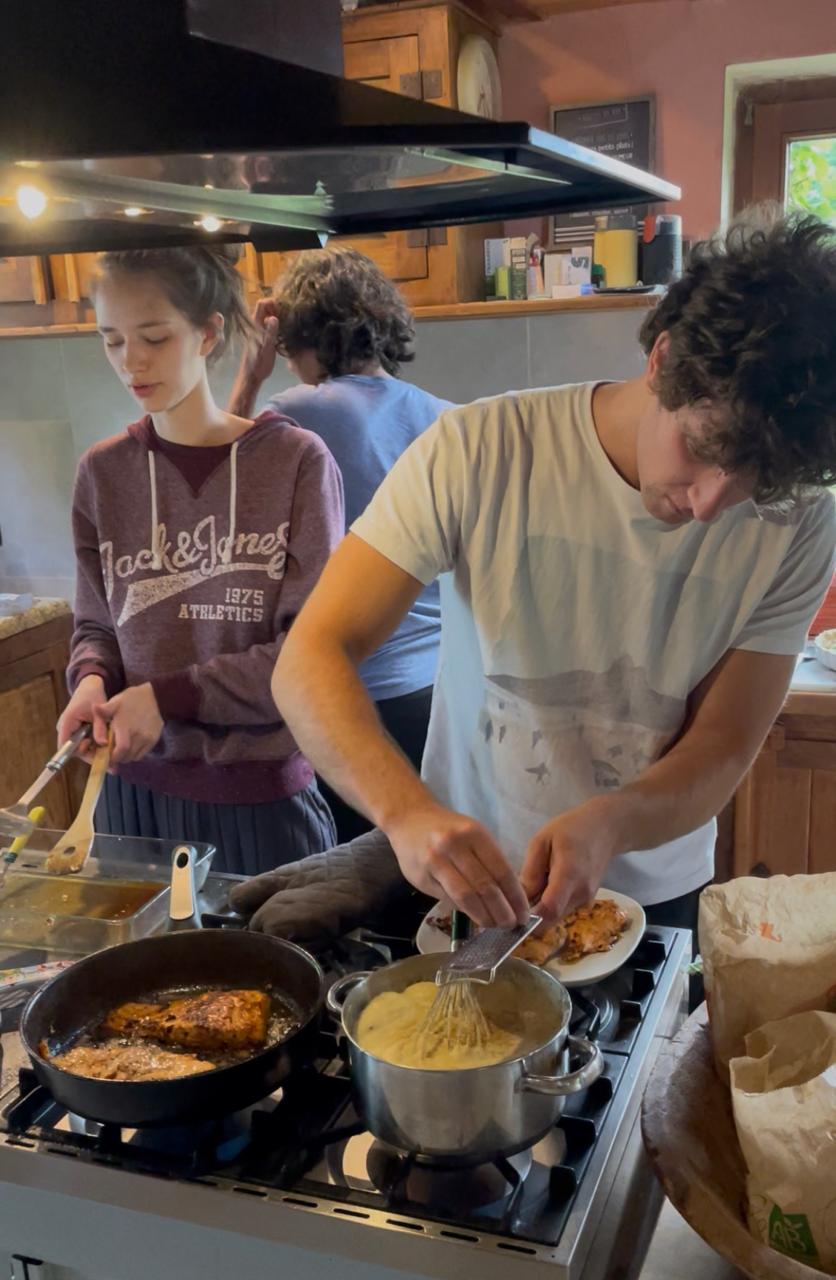
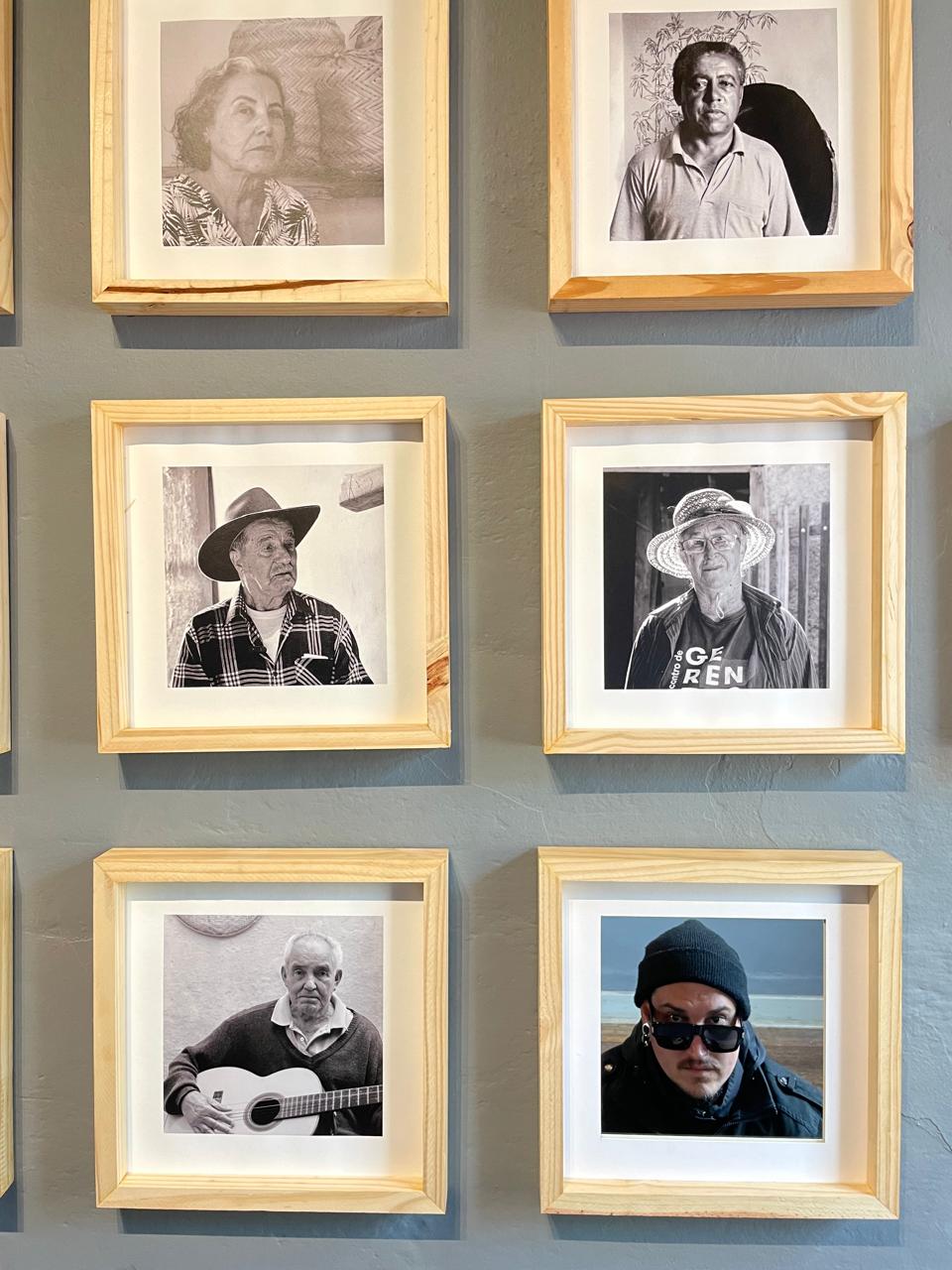
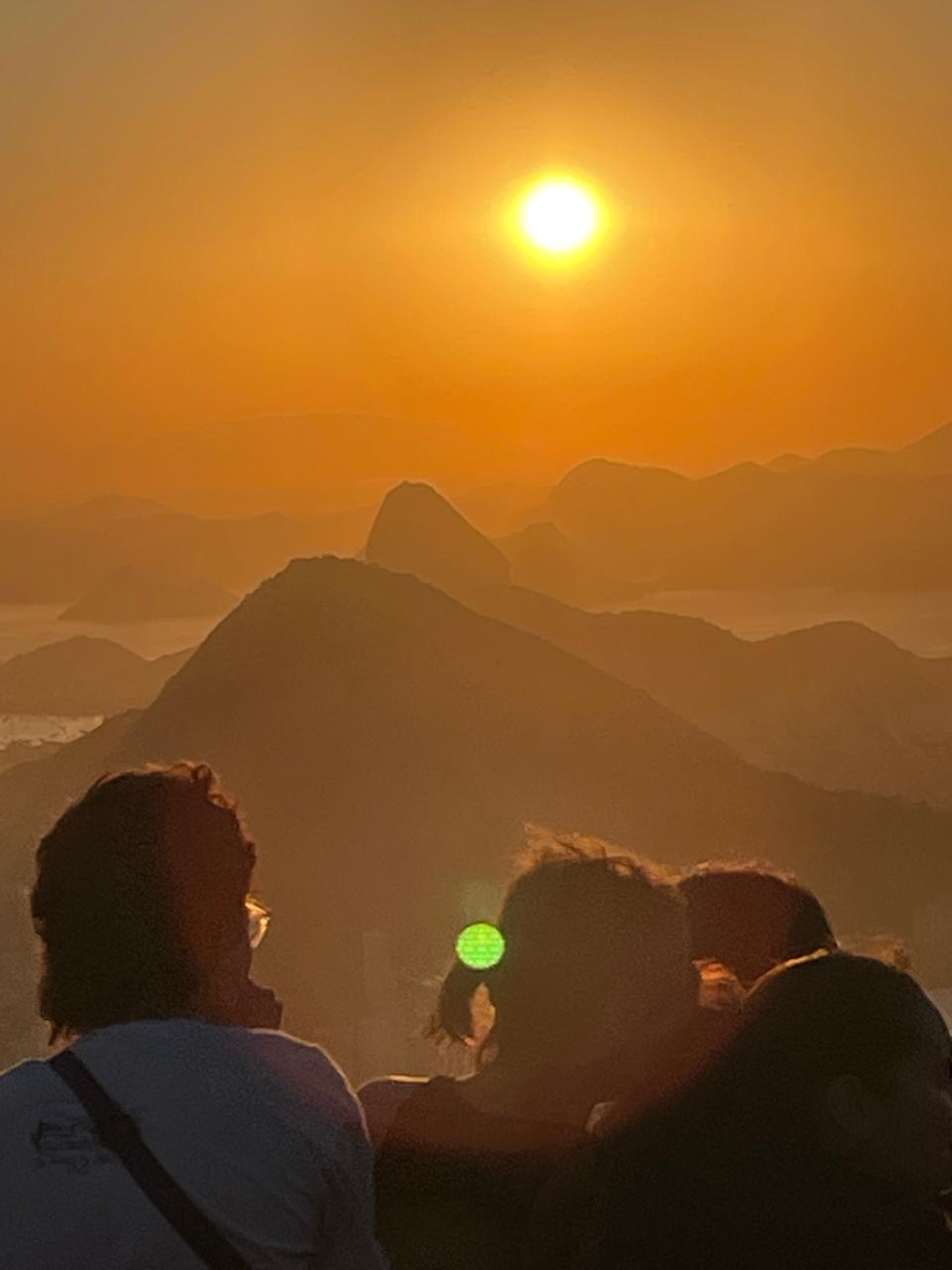
Because in the end, the best journeys are not the ones that generate the most likes: They are the ones that transform us.